
"Tanzania coffee grading"
1000 article(s) found

The characteristics of coffee in Arusha Coffee Manor Coffee varieties in Arusha Manor
The exchange of professional baristas please pay attention to the coffee workshop (Wechat official account cafe_style) Arusha Coffee Manor Coffee specialties Arusha Manor Coffee introduction KILIMANJARO this area is the oldest Arabica bean growing area in Tansania and, of course, there is plenty of time to establish international visibility and reputation. A long history of coffee production

A brief introduction to the planting Market Price of excellent Fine Coffee Bean varieties in Tanzania
Tanzanian coffee is mostly washed. After picking, coffee farmers will send the coffee fruit to the nearest processing plant for processing. The treatment step of the water washing method is to screen and remove the impurities in the coffee fruit, then remove the coffee pulp and exocarp, send it into the fermentation tank, and remove the pectin layer from the inner pericarp by fermentation. Clean

A brief introduction to the market price of Tanzania's boutique coffee beans with complex taste
Tanzanian coffee is mostly washed. After picking, coffee farmers will send the coffee fruit to the nearest processing plant for processing. The treatment step of the water washing method is to screen and remove the impurities in the coffee fruit, then remove the coffee pulp and exocarp, send it into the fermentation tank, and remove the pectin layer from the inner pericarp by fermentation. Clean

Introduction to the characteristics of the rich and refreshing Kilimanjaro coffee flavor manor manor in Tanzania
Coffee is one of the main cash crops in Tanzania, ranking fourth after cotton, tobacco and cashew nuts, mainly sold to Italy, Japan and the United States. Coffee exports play an important role in the national economy of Tanzania. Tanzania's main coffee producing area is located at the foot of Mount Kilimanjaro, which is rich in volcanic soil and coffee trees planted here.

Balanced description of Tanzania Coffee Flavor, characteristics of Grinding degree, introduction to the producing areas of Taste varieties
Tanzania covers an area of 945087 square kilometers, of which Zanzibar is 2657 square kilometers. It consists of the mainland, Zanzibar and more than 20 small islands. Located in eastern Africa and south of the equator, the continent is bounded by the Indian Ocean to the east, Zambia, Malawi and Mozambique to the south, Rwanda, Burundi and the Democratic Republic of the Congo to the west, and Kenya and Uganda to the north. The coastline of the mainland is 840 kilometers long.

Impressive coffee round beans-Tanzanian coffee beans
The coffee beans produced here are all exported from Kilimanjaro, but in addition to Mount Kilimanjaro, there are several major coffee producing areas throughout Tanzania, there are more small farms in other areas, and most small farms also have a planting area of several hundred mu. Some have their own washing equipment and bean drying farms, but the grading treatment still has to go through large-scale treatment.

Kilimanjaro coffee bean characteristics flavor description producing area information characteristics
Professional baristas exchange please follow the coffee workshop (Wechat official account cafe_style) Kilimanjaro Coffee-characteristic Kilimanjaro coffee is a uniform size of large coffee beans, the color is grayish green, compared with a strong sour and sweet flavor, excellent flavor. Moderate baking will give off sweetness and light sour taste, deep baking will produce soft bitterness, suitable for

A brief introduction to the Origin, Development, History and Culture of excellent Flavor Coffee beans in Tanzania
It exudes delicate aromas and contains aromas of wine and fruit, making people taste endless aftertaste. After drinking Kilimanjaro coffee, I always feel a soft and mellow earthy smell around my mouth. Coffee gourmets often use words such as wild or wild to describe it. It can be said that pure Kilimanjaro coffee is the most African coffee. Kilimanjaro AA is the highest

Coffee cultivation quality in Tanzania Coffee Farmers' Economic Environment Coffee Export
Tanzania's main coffee producing area is located at the foot of Mount Kilimanjaro, which is rich in volcanic soil. Some of the coffee trees planted here are more than 100 years old. Coffee was first introduced by Christians from Kenya to grow coffee. Coffee trees must be carefully taken care of, weeded and fertilized. And the old branches must be cut off so that they can grow new ones to maintain the coffee beans.

A brief introduction to the cultivation of excellent boutique coffee beans in Tanzania, geographical location, climate and altitude
Tanzanian coffee is mostly washed. After picking, coffee farmers will send the coffee fruit to the nearest processing plant for processing. The treatment step of the water washing method is to screen and remove the impurities in the coffee fruit, then remove the coffee pulp and exocarp, send it into the fermentation tank, and remove the pectin layer from the inner pericarp by fermentation. Clean

Introduction to Tanzanian Coffee with Pure Flavor Flavor
Coffee from Tanzania, especially the small round bean peaberry, is always impressive. Coffee is like the simple, frank and enthusiastic national character of Tanzania. Its refreshing acidity and medium mellowness complement sweet citrus and floral aromas. This coffee tastes great whether it's a hot drink or iced coffee. With oranges or berries, it can show its bright flavor. You can

Brief introduction of Variety producing area of Kilimanjaro Coffee Bean Flavor description Price treatment method in Tanzania
Tanzania Kilimanjaro coffee bean flavor description price treatment method Kilimanjaro coffee is very characteristic, it emits delicate aroma, and contains wine and fruit aroma, people taste endless aftertaste, from the appearance is very similar to Kenyan coffee, the overall taste is more similar to Sumatra Kalou coffee. Drank Kilimanjaro coffee.

Introduction to the characteristics of varieties in the producing area of Tanzania Coffee Flavor description treatment in Acid sense Convergence
Tanzanian coffee is mostly washed. After picking, coffee farmers will send the coffee fruit to the nearest processing plant for processing. The treatment step of the water washing method is to screen and remove the impurities in the coffee fruit, then remove the coffee pulp and exocarp, send it into the fermentation tank, and remove the pectin layer from the inner pericarp by fermentation. Clean

Flavor description of coffee manor in Arusha, Tanzania introduction of fine coffee in taste producing area
Tanzania's main coffee producing area, located at the foot of Mount Kilimanjaro, is rich in volcanic soil. Some coffee trees planted here are more than 100 years old. Coffee was first introduced by Christians from Kenya to grow coffee. Coffee trees must be carefully taken care of, weeded and fertilized. And old branches must be cut off so that new branches can grow to maintain the quality of coffee beans.
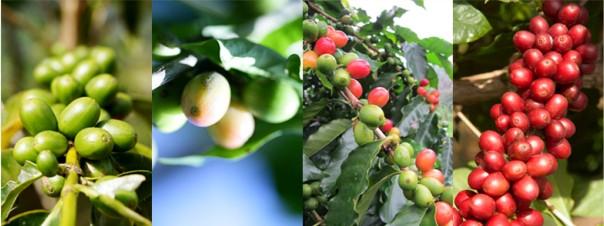
African Tanzania coffee cooked beans Kilimanjaro pearl round beans PB Gilimaza water wash bourbon
Tanzania gourmet coffee has soft acidity and attractive aroma, which is absolutely worth enjoying. Coffee exports from Tanzania (Tanzania) play an important role in the whole national economy. Bean-shaped berry coffee is very productive and is said to be more fragrant than ordinary coffee. Generally speaking, the coffee beans in Tanzania have an extraordinary quality. For example, near Kilimanjaro (
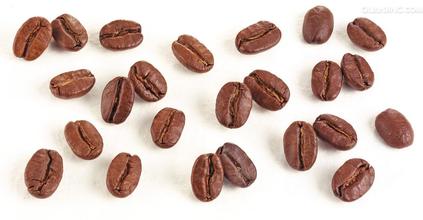
Introduction to the characteristics of the flavor and taste of the moderately mellow coffee manor in Arusha, Tanzania
The eastern coastal areas and inland lowlands of Tanzania have a savanna climate, while the western inland plateau has a tropical mountain climate, with an average temperature of 21-25 ℃ in most areas. More than 20 islands in Zanzibar have a tropical maritime climate, hot and humid all the year round, with an annual average temperature of 26 ℃. [6] rainfall types can be divided into bimodal distribution and unimodal distribution. Areas with double bee distribution of rainfall include

A brief introduction to the description of the flavor and aroma characteristics of Tanzania boutique coffee beans with complex taste
It exudes delicate aromas and contains aromas of wine and fruit, making people taste endless aftertaste. After drinking Kilimanjaro coffee, I always feel a soft and mellow earthy smell around my mouth. Coffee gourmets often use words such as wild or wild to describe it. It can be said that pure Kilimanjaro coffee is the most African coffee. Kilimanjaro AA is the highest

Tanzania Coffee Flavor Taste Manor characteristics of Arusha Coffee Manor
Tanzanian coffee is mostly washed. After picking, coffee farmers will send the coffee fruit to the nearest processing plant for processing. The treatment step of the water washing method is to screen and remove the impurities in the coffee fruit, then remove the coffee pulp and exocarp, send it into the fermentation tank, and remove the pectin layer from the inner pericarp by fermentation. Clean

Smooth and soft Tanzania Coffee Flavor description characteristics of Grinding degree introduction of varieties in producing areas
The eastern coastal areas and inland lowlands of Tanzania have a savanna climate, while the western inland plateau has a tropical mountain climate, with an average temperature of 21-25 ℃ in most areas. More than 20 islands in Zanzibar have a tropical maritime climate, which is hot and humid all the year round. The annual average temperature of 26 ℃ is divided into bimodal distribution and unimodal distribution. Areas with double bee distribution of rainfall include Victoria

Tanzania coffee varieties and characteristics
Tanzania AA is the highest level of beans, its full particles, pure flavor, rich and refreshing, all aspects of quality are first-class. Usually its acidity is mild and evenly stimulates the taste buds in the middle and sides of the back of the tongue, feeling a bit like the sourness of tomatoes or soda. After moderate or moderate baking, there is a strong aroma, and then grind into fine powder, add boiling water on a